
Why Gold and Materials Decide Your Pace in Sanctuary
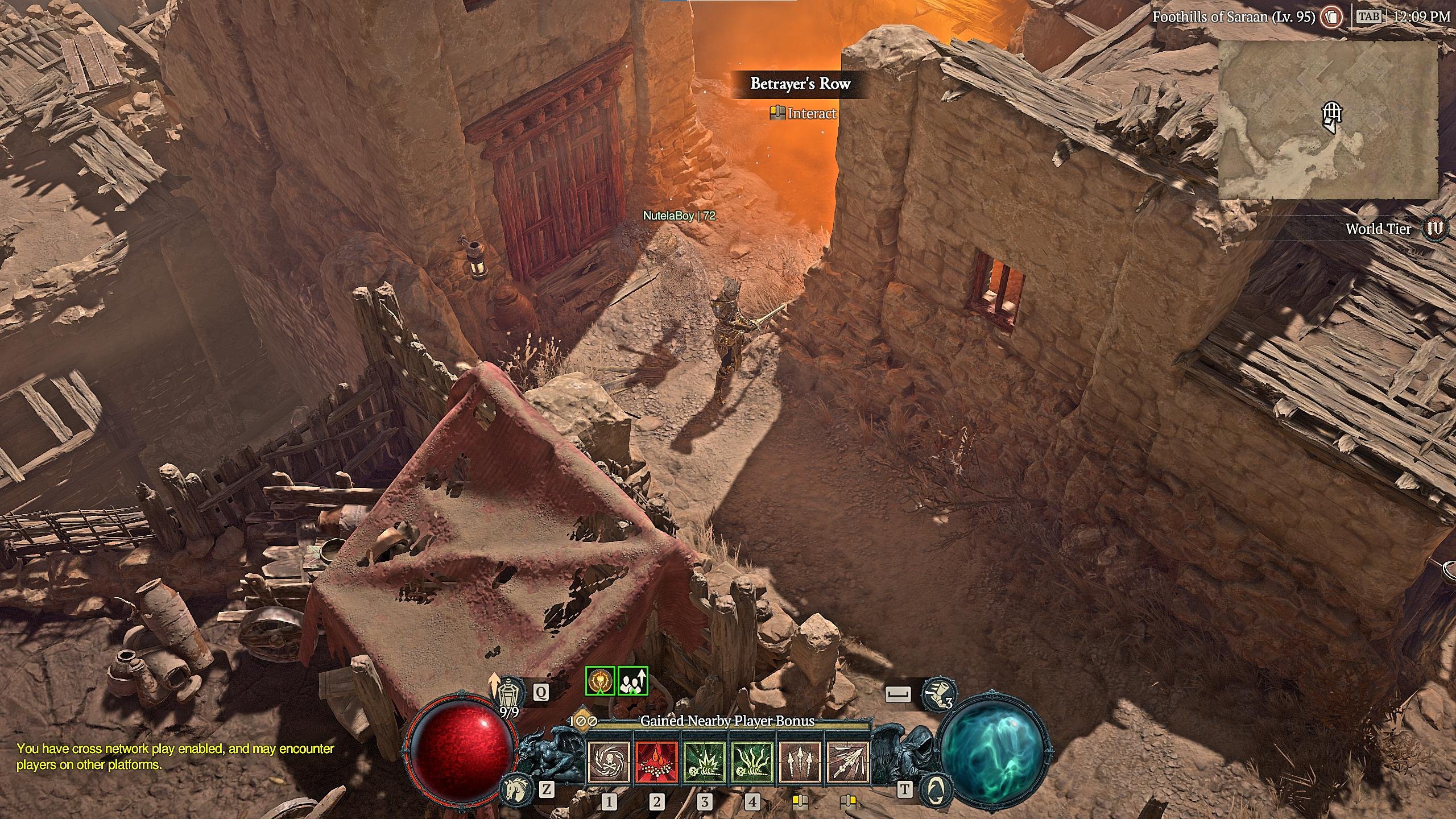
Every Diablo 4 player eventually notices that the game is not only about killing demons. It is also about managing a quiet economy that sits underneath every build. Gold pays for upgrades, enchanting, gems and repairs, while crafting materials feed the blacksmith, the jeweler and the occultist. When either pool runs dry, your character stops improving, even if you are clearing content just fine.
This guide walks through where gold and materials go, what actually drains them, and how to plan around those costs. Near the end we also take a sober look at paid help, because many players who fall behind consider it, and it deserves an honest discussion rather than hype.
Where Your Gold Actually Goes
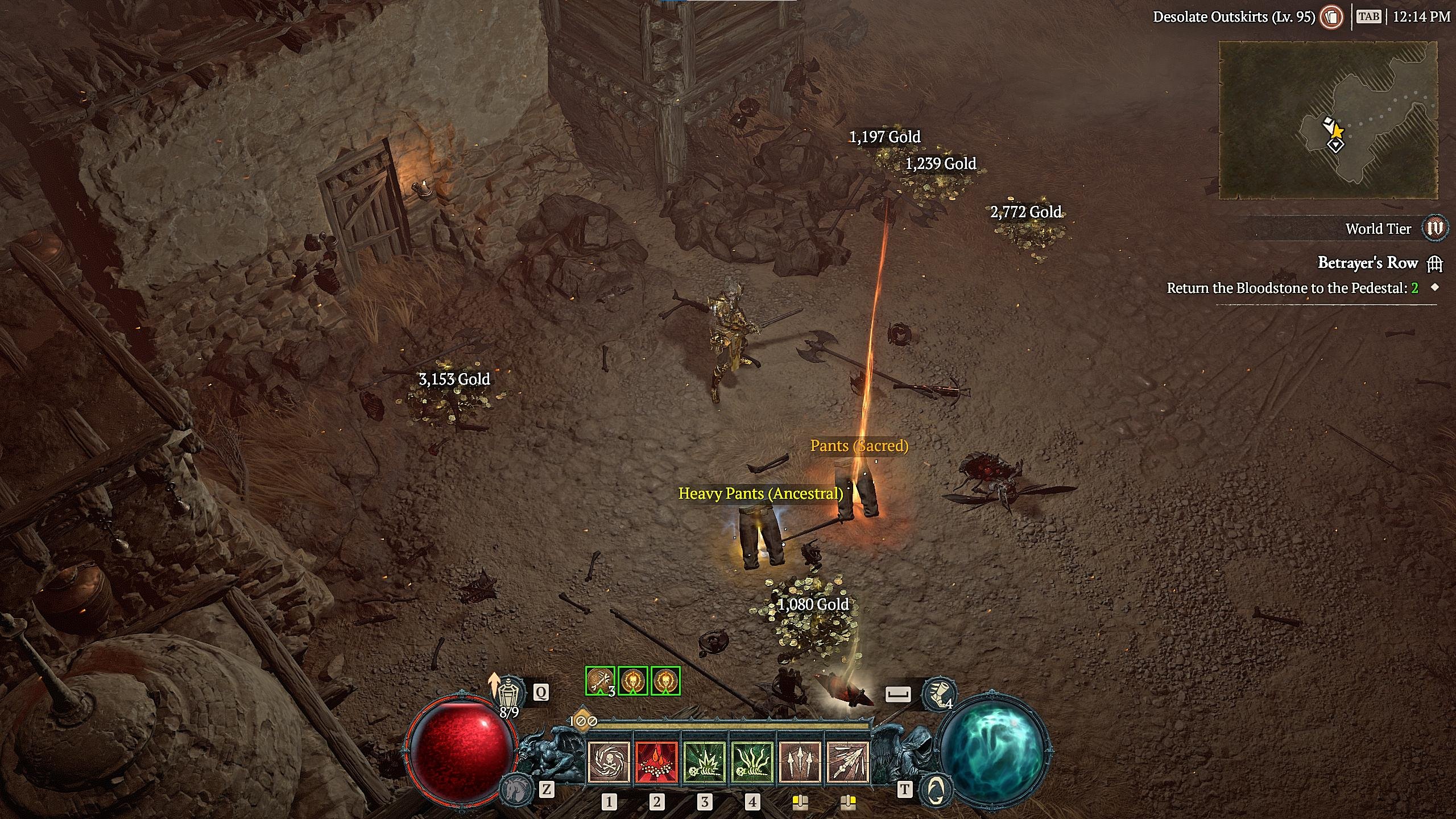
Gold in Sanctuary is spent in a handful of repeating places. The first is the blacksmith, who upgrades gear and can improve a piece through several tiers. The second is the occultist, who lets you enchant a single affix on an item or imprint an aspect onto a different piece. The third is the jeweler, who socket gems and upgrades them. Finally, there are small recurring costs such as repairs, stash tabs and the occasional vendor purchase.
Enchanting is the sink that surprises newcomers. Rerolling an affix to chase a better stat can cost more each time you retry on the same item, so a single stubborn piece can swallow a surprising amount of gold. Experienced players tend to enchant only items that are already close to ideal, rather than gambling on mediocre drops.
A useful habit is to decide your spending priority before you reach the vendor. Weapon upgrades usually deserve gold first because they scale your damage the most, while cosmetic or marginal slots can wait.
Crafting Materials and the Upgrade Treadmill
Materials are the second currency. Upgrading gear to its higher tiers needs salvaged resources, and which ones depend on the tier you are pushing. Rare crafting materials are tied to specific content, so you cannot simply farm one easy place forever and expect everything to arrive.
This is why salvaging matters. Breaking down unwanted gear gives you the common materials in bulk, and a quick pass through your bags after each Helltide or dungeon run keeps stock healthy. Do not salvage anything with a promising affix or an aspect you have not yet extracted, since that aspect can be useful later in your codex of powers.
The upgrade treadmill gets steeper as you climb Torment difficulty. Better drops need better materials to reach their potential, so a build that looks fine at a lower tier may feel starved once you push higher.
Farming Gold Without Burning Out
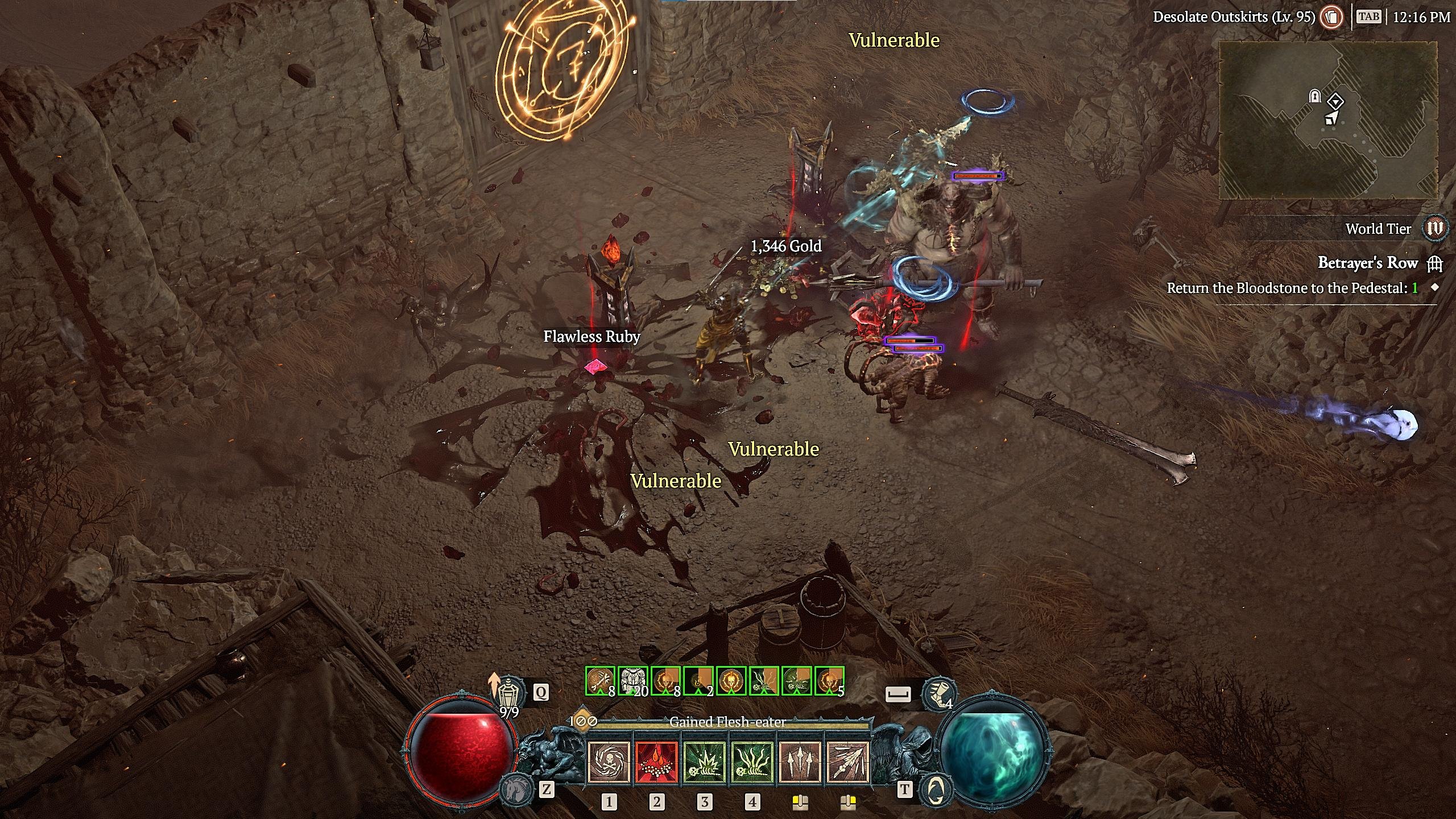
Gold is earned in several ways, and the best choice depends on your class and current power. Selling rares and legendaries you do not need is the simplest source. Events and Helltides also drop plenty of coins, and cleaning out a full region while doing the world event chain is more profitable than it looks.
Nightmare dungeons add another layer. Running them at a level you can clear quickly gives steady loot plus the chance of strong aspects, and sigils themselves can be improved to shift the odds. Pair that with a fast mobility build and you can collect gold at a good rate without turning every session into a grind.
A reasonable weekly routine mixes a few Helltide sessions, a handful of dungeons, and one boss attempt for rare materials. It is not glamorous, but it stays sustainable.
Bosses, Helltides and Rare Resource Sources
Some materials only come from bosses. Fighting the bosses repeatedly means gathering the specific summoning items first, and those cost materials of their own. If you try a boss before your character is ready, you can burn through those items with little reward.
Helltides are a different story. They give a currency tied to the event, which opens chests across the zone. Spending it well matters, because chests that match your needs, such as armor for a defensive gap, can fill several slots at once. Overpaying for chests that give items you do not need is a common mistake.
In short, treat each source as an investment. Know what you need, check where it drops, and plan the session around it.
Paragon, Gear Aspects and the Cost of Fine Tuning
At higher levels, the Paragon board becomes a sizable commitment. Glyphs, nodes and the rare options that sit on the board all push your stats upward, and the boards themselves take time to fill. Players who have not progressed far often feel the gap between a newly capped character and a seasoned one most in these small percentage gains.
Aspects follow a similar pattern. The right legendary aspect can transform a skill, but finding it, extracting it and imprinting it takes materials and gold. That cost is manageable if you choose a single archetype for your class, whether you play Barbarian, Sorcerer, Rogue, Druid, Necromancer or Spiritborn, and then collect what that archetype needs instead of switching every week.
The more focused your plan, the lower your overall spend, because fewer half-finished items pile up in the stash.
A Sober Look at Diablo 4 Boosting for Catching Up
Some players look at all of the above and decide that the grind is simply not how they want to spend limited free hours. For them, paid help is an option, and the market for it is large. A service like diablo 4 boosting usually means another person or team plays part of the content for you, such as clearing a dungeon run, carrying you through a boss, or helping you pick up gear and levels faster.
It helps to be realistic about what this does and does not do. It can save time on specific, repetitive stages, but it cannot teach you how your build works, and a character that has been carried may still struggle at the content you are aiming for. The most sensible use is catching up on a narrow gap, for example getting to a baseline so you can join friends, rather than buying a finished character and hoping for the best.
There is also real risk. Third-party services carry account risk, and Blizzard’s terms of service apply to every account regardless of how a character was played. Sharing login details can lead to penalties, and anyone who hands over credentials should understand that before agreeing to anything. If you are not comfortable with that trade-off, skip it.
Smarter Alternatives and a Simple Budget Plan
Before spending money, try the free levers. Join a clan or community, because experienced players often share spare gear, advice and runs. Use the season journey and early objectives to stack easy progress. Follow a build guide from start to finish instead of improvising, since improvisation is the fastest way to waste gold.
Set a small budget for each session: decide how much gold you will use for enchanting, how many materials you will keep in reserve, and which one upgrade you want to complete. Track it in a note. Boring as it sounds, a written plan keeps you from emptying your stash on a single unlucky reroll.
Finally, remember that the game is meant to be played. If a plan feels like a chore, change the plan, not just your spending.
Final Thoughts
Gold and materials shape nearly every decision in Diablo 4, from which item you enchant to which dungeon you run on a given evening. Understanding the sinks, farming routes and rare sources gives you control over your pace, and a modest budget protects you from costly mistakes.
Paid help can be a tool for specific catch-up needs, yet it is neither risk-free nor a replacement for understanding your build. Weigh the time you save against the account risk, read the rules, and make the choice that fits your own situation. Whatever you decide, Sanctuary rewards players who plan ahead.
Leave a Reply